
Use a Socket Wrench to Change a Car Tire? Essential Tips and Techniques

Introduction: "How to use a Socket Wrench to Change a Car Tire"
Changing a tire might seem like challenge, but with the right tools, it can be less daunting . For DIY enthusiasts and home mechanics, you might find yourself without a tire iron. The question is "Can I use a socket wrench to change a tire?" This blog post will help answer that question, we will explore whether you can use socket wrenches to change a tire.
Socket wrenches, whether metric or SAE, socket sets are perfect tools for these 10 DIY jobs, and many more . By the end of this post, you'll have the knowledge to decide if you can use a socket wrench to change a tire in the absence of a lug wrench.
Explore more wrench choices at Must Own Tools
Must Own Tools is an Amazon Affiliate we may receive a small commission from Amazon or others. The commission helps us continue to provide valuable information.
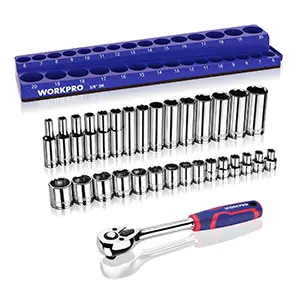
Table of Contents
The Basics of Tire Changing
Metric vs. SAE Socket Sets
The Ideal Socket Set for Tire Changing
Using a Socket Wrench to Change a Tire
Step-by-Step Guide to Changing a Tire with a Socket Wrench
Benefits of Using Socket Wrenches
Limitations of Socket Wrenches
Tips for Maintaining Your Socket Tool Set
Conclusion
The Basics of Tire Changing
Before we can determine if a socket wrench is a good tool to change a tire, it's important to understand the tire-changing process. Changing a tire requires lifting the vehicle with a jack, removing the lug nuts, swapping the tire, and securing the new one. The process requires tools that can generate and withstand significant torque, primarily due to the tightness of lug nuts.
Traditionally, you would use a lug wrench which is designed to fit the size and shape of lug nuts. However, DIY enthusiasts might find themselves without a lug wrench. Is a socket wrench a good alternative?
Metric vs. SAE Socket Sets
If you use a Socket Wrench should you use a metric or SAE socket set? It really depends on the vehicle's manufacturer. Metric sockets are measured in millimeters and are typically used in foreign-made cars, while SAE (Society of Automotive Engineers) sockets are measured in inches and are more common in American-made vehicles.
It's crucial to identify the correct size before beginning. Using the wrong type of socket, like an SAE socket on a metric nut, can lead to rounding off the nut, making it difficult to remove.
The Ideal Socket Set for Tire Changing
Choosing the right socket set is important for successful tire changing. Look for socket sets that include a range of sizes to ensure compatibility with any manufacturers tire lug nuts. A socket set that includes both metric and SAE options offers the flexibility, to work on a variety of manufacturers tires.
Opt for a durable set of sockets with high-quality materials. Investing in a reliable socket tool set ensures you will have them for a long time, and reduces the chances of the tool not working properly.
Using a Socket Wrench to Change a Tire
Using a socket wrench to change a tire is indeed possible, provided the toolset is compatible with the lug nuts. Socket wrenches offer precision and flexibility, allowing for easier access to tight spaces. They also allow for rapid switching between different sizes, which can be advantageous if dealing with multiple vehicles or wheel types.
Make sure that the socket fits snugly over the lug nut to prevent slipping and pa few cracked knuckles. This secure fit is what makes a socket wrench a good alternative to traditional lug wrenches.

1. Preparation
-
Park the vehicle on a flat surface and engage the parking brake.
-
Put something- large piece of wood, brick, stone, etc. behind the tire opposite of the one you are changing, to help keep the car from rolling.
-
Gather your socket tool set, jack, and spare tire.
2. Loosening Lug Nuts
-
Use the socket wrench to slightly loosen each lug nut while the tire is still on the ground.
3. Lifting the vehicle
-
Place the jack under the vehicle's recommended lifting point and raise the car until the tire is off the ground.
4. Removing Lug Nuts
-
Fully remove the loosened lug nuts using the socket wrench.
-
Place the lug nuts in a safe place where you won’t lose them or roll into traffic. The tire’s hub cap - if the vehicle has one - is a great choice for holding the tires lug nuts.
5. Swapping Tires
-
Remove the old tire and replace it with the spare.
6. Securing the New Tire
-
Hand-tighten the lug nuts before lowering the vehicle.
7. Final Tightening
-
Use the socket wrench to securely tighten each lug nut once the vehicle is back on the ground.
8. Clean Up
-
Safely put the damaged tire in the trunk or back of your vehicle, so you can take it to be repaired or to purchase a replacement.
Benefits of Using Socket Wrenches
Socket wrenches offer precision and a controlled application of force, reducing the risk of over-tightening or stripping lug nuts. Their ergonomic design makes them comfortable to use, minimizing fatigue during longer tasks.
Having a complete socket set nearby when a lug nut wrench is not available means you're prepared for changing a tire. This versatility makes socket wrenches a valuable addition to any DIY enthusiast's toolkit.

Limitations of Socket Wrenches
Despite their advantages, socket wrenches do have limitations. The absence of a long handle means you might need additional leverage to achieve the necessary torque for loosening particularly stubborn lug nuts. An appropriately sized metal pipe placed over the socket set handle provides additional leverage if you need it.
Additionally, socket wrenches might not be as big or durable as dedicated lug wrenches, potentially making it more difficult to change a tire if the socket set is to small.
Socket Set Recommendations
For those seeking a reliable socket set, the WorkPro 32 piece socket tool set offers a comprehensive range of sizes and includes both metric and SAE options. Made from durable materials, these tools are designed to withstand the demands of tire changing and other DIY projects.
The set's versatility ensures you're always prepared, whether you're working on tire maintenance or tackling other mechanical tasks around the house.
Tips for Maintaining and Storing Your Socket Tool Set
To ensure your socket tool set lasts and works properly, regular maintenance is required. Clean the tools after each use to prevent dirt and debris buildup. Store them in a good storage container which keeps them organized, and store them in a dry place to avoid rust and corrosion. Before each use make sure the socket set is working properly. You want to be confident and there isn’t significant wear or damage - sockets that are worn or “rounded” lead to bruised knuckles and damaged lug nuts.
By taking care of your tools, you'll extend their lifespan and continue to enjoy the benefits of a working socket set for a long time in the future.

Conclusion
In conclusion, using a socket wrench to change a tire is a good option if a lug wrench is not available. With the right socket tool set, you can enjoy the benefits of precision and versatility while changing your tire confidently.
Remember to choose a socket set that meets your tire changing needs, whether metric or SAE, and always make sure the socket fits properly to prevent accidents and smashed knuckles. By following the tire changing guide provided, you'll be well-prepared to change a tire using a socket wrench effectively.