Must Own Tools is an Amazon Affiliate. We may earn a small commission if you link to and purchase a tool from this page.
Learn which hammer to buy, which one to use, and how to use a hammer safely — no corporate jargon, and clear steps anyone can follow. At Must Own Tools we are DIY wannabe's, and your resource for DIY Tools. We have a genuine interest in learning how to do most DIY projects around the house, save a little money and enjoy the satisfaction of knowing we accomplished a DIY project.
Hammers 101: The Hammer Types a Homeowner Really Needs
Below is a clean, simple breakdown of the four core hammer types you’ll actually use around the house. Learn more about Hammers, "The Essential Guide to Handheld Hammers".
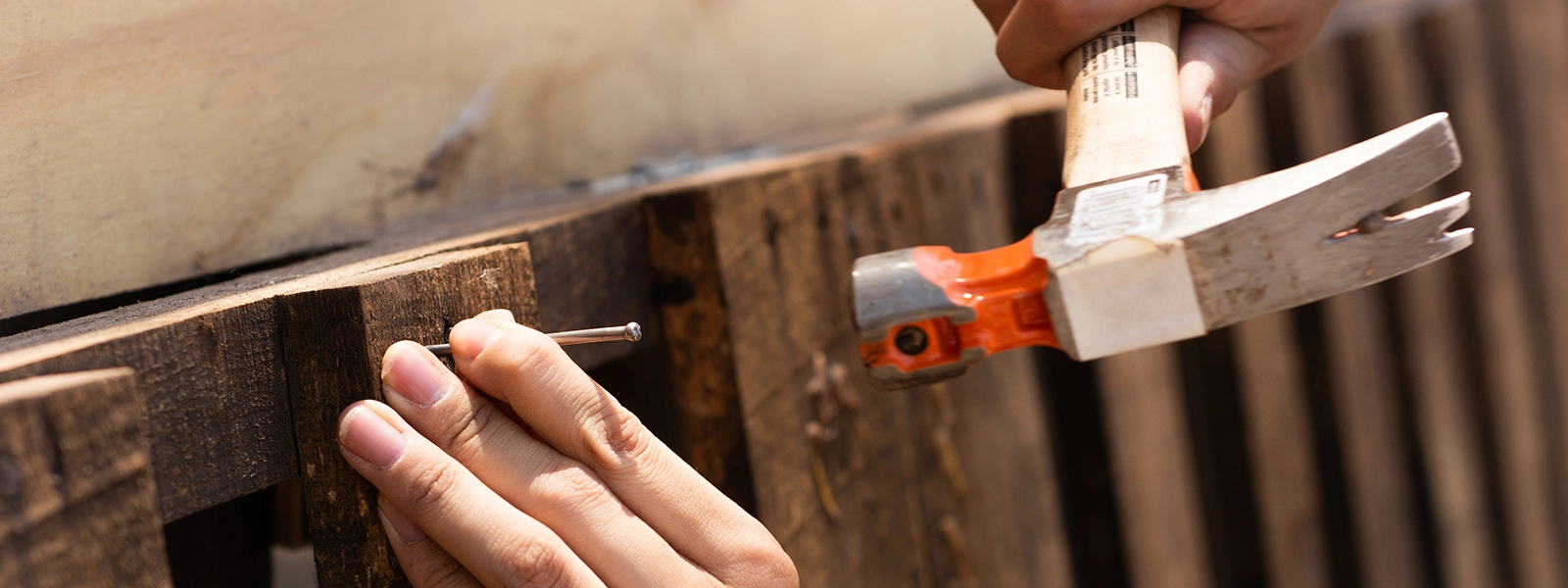
Used for:
- Light Carpentry
- Household Repairs
- Outdoor and Landscaping Work, i.e. Deck repair
- Any job requiring the driving and removing of nails
- Hammer for hanging pictures
Why Homeowners need it:
When asking yourself what size hammer do I need, consider that a 16 oz claw is the perfect size for most DIY jobs - strong enough for most tasks but still easy to control.
How to use it:
- Hold the hammer at the end of the handle.
- Tap the nail gently to start it.
- Move your fingers away and swing smoothly, not hard. Repeat until the nail is fully in place.
- Use the curved claw to pull nails by rocking back slowly. If extra leverage is needed, place a block of wood - or other material under the head of the hammer.

16 ounce Claw Hammer from WorkPro
2. Rubber Mallet (For No-Mark Adjustments)
A soft rubber-headed hammer that delivers force without denting surfaces.
fUsed for:
- Tapping Flooring into place
- Furniture assembly and repair
- Adjusting trim without leaving marks
- Woodworking projects
- Soft blow tasks without leaving damage
Why Homeowners need it:
A mallet is a “gentle hitter” — perfect when you need force without residual damage.
How to use it:
- Hold the hammer at the end of the handle
- Gently tap your work area with the rubber mallet, increase force, slowly if needed
- Be careful to not use on very sharp objects, or very hard and dense surfaces which require a lot of force
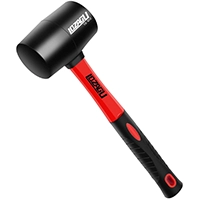
16 ounce Rubber Mallet with Fiberglass Handle
Hammer Types Video

3. Ball Peen Hammer (For Metal & Hardware Work)
A hammer with one flat face and one rounded “peen.”
Ball Peen Hammer Uses:
- Bending Metal
- Shaping hardware
- Hammering and driving chisels and punches
- Woodworking projects
- Automotive, workshop tasks, especially metal and working with pliable materials
Why Homeowners need it:
Most homeowners don’t need this right away, but it’s extremely useful once you begin working with metal brackets, hinges, or garden hardware.
How to use it:
- Hold the hammer at the end of the handle
- Use the flat head of the hammer to drive nails, flatten metal or bump out dents. Use the round end of the hammer to round out meta, create bends and indentations.
- Choose the right weight of Ball Peen Hammer for the job. Typically you can purchase in weights of 12 oz. to 32 oz, and most brands will offer handles in wood, fiberglass and sometimes steel.
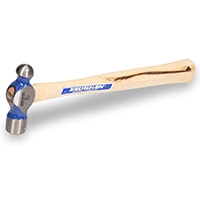
16 ounce Ball Peen Hammer with Hickory Handle
4. Sledgehammer or Club Hammer (For Heavy Jobs)
A Sledgehammer: large, heavy head with a long handle.
A Club Hammer: short handle, heavy compact head.
Used for:
- Breaking Up Concrete
- Shaping stakes for Gardens, Tents, and Awnings
- Demolition Work
- Outdoors Construction Projects
- Use a club Hammer on rusty bolts and fasteners
When do homeowners need Sledge & Club Hammers:
Start with a club hammer, not a full sledgehammer. It’s easier to control and safer for casual home use.
How to use it:
- Hold the hammer at the handle on the ergonomic no-slip handle.
- Use the club hammer when force is needed (more force than you can generate with a claw hammer). For larger projects requiring brute force, example: breaking up concrete, use a heavy sledge hammer. Remember to wear safety glasses to protect your eyes from flying debris.
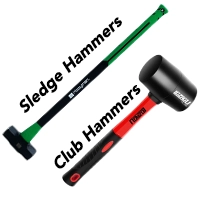
Sledge & Club Hammers
Hammer Safety Basics
Use these safety rules every time you pick a hammer.
Θ Always Wear Eye Protection
Hammering can launch tiny chips of metal, wood, or masonry toward your face. Eye protection is a must.
Θ Check Your Surroundings
Look behind and above you before you swing. Keep children and pets outside your “swing zone.”
Θ Inspect Your Hammer
Don’t use a hammer if the:
- handle is cracked
- head is loose
- face is chipped or mushroomed
Θ Use The Right Hammer For The Job
Never use a claw hammer for masonry or a mallet for driving nails. Using the wrong tool is one of the most common homeowner mistakes.
Θ Swing with Control Not Force
Smooth, steady swings are safer and more effective than “hitting as hard as you can.”
How To Choose The Right Hammer For Your DIY Project
If you’re hanging pictures: → Use a 16 oz. claw hammer or a smaller - what we call a -"framing hammer or picture frame hammer", depending of the size of the picture.
If you’re installing flooring or assembling furniture together:→ Use a rubber mallet
If you’re working with metal brackets or pins: → Use a ball peen hammer.
If you’re breaking concrete or driving stakes: → Use a club hammer or sledge hammer.
If you’re unsure: → 90% of beginner DIY hammer tasks can be done with a standard claw hammer.
Proper Hammer Storage And Care
Taking care of your hammers keeps them safe, free from rust and corrosion and helps them last for years
Store them in a dry place
Moisture causes rust and weakens wooden handles. With a weakened handle the metal head could come off while in use.
Hang them on a pegboard or keep in a toolbox
Avoid leaving hammers lying on high surfaces, they can fall on the ground, potentially damaging the surface or become a tripping hazard.
Maintain wooden handles
Lightly sand splinters and apply a small amount of linseed oil to prevent drying or cracking.
Protect the hammer faces
Wipe and clean metal hammer heads after each use. Apply a touch of oil if storing long-term.
Replace damaged Tools
Everything has a life span and wears out. A cracked handle or loose head is unsafe, replace broken hammers. The replacement is cheaper than a trip to urgent care, not to mention the pain and suffering.
Hammer Types DIY Frequently Asked Questions
- Hammer's to Own
- Hammer Safety
- Claw Hammer vs. Ball Peen Hammer?
- Rubber Mallet vs Metal Hammer?
- Fiberglass or a Wooden Handle?
- How many Hammers should you own?
What hammer should every homeowner own?
A 16-ounce claw hammer is the best all-around hammer for most DIY home tasks. It’s the right balance of power and control for beginners. Add different hammer types as you take on unique DIY projects.
What is the safest way to use a hammer?
Hold the handle near the end, start nails with light taps, move your fingers away, and swing smoothly. Safety First! Always wear eye protection.
What is the difference between a claw hammer and a ball peen hammer?
A claw hammer is for wood and nails. A ball peen hammer is for metal and hardware work, and driving nails deeper into wood. You may need to apply wood putty over the indentation.
Can a rubber mallet replace a metal hammer?
No. Mallets are for adjusting and tapping materials without damaging them. They won’t drive nails properly and trying to drive nails with a rubber mallet will damage the rubber over time.
Should I buy a fiberglass or wooden handle?
Fiberglass = better shock absorption and low maintenance.
Wood = classic feel but can crack if not cared for.
Both work well for homeowners; choose the one that feels best in your hand.
The team at Must Own Tools generally opts for fiberglass or graphite for its shock absorption, waterproof and durability qualities.
How many hammers should a typical homeowner own?
Must Own Tools suggests starting your DIY tool kit with two hammers. Add additional types of hammers when new DIY projects call for a specific type of hammer.
We recommend adding the following two hammers to your DIY kit, when you start out.
• Claw hammer
• Rubber mallet