Beginner Hand Tool Starter Kit: What You Really Need on Day One
In This Article:
• What’s in a beginner hand tool kit?
• On Day One of DIY Homeowner Life, we recommend you have these tools:
• Safety First – Always (Read This Before You Start Any DIY Project)
• Tools at a Glance: What You Need and Why
• Bare Minimum: Tools You Want on Day One
• Long-Term Tool Kit: Tools You’ll Grow Into
• Skip These Tools For Now
• Safety First – Always

If you’re a new homeowner or DIYer, your beginner hand tool kit does not need to be a 200-piece monster. Be smart with your money and leave the gigantic tool kits to the Trade Pro’s. A smart, basic hand tool set can help you “Fix it Fast” and should cover hanging picture frames, pictures, and other things, small fixes, and simple tools used for assembling kids toys and lifestyle needs.
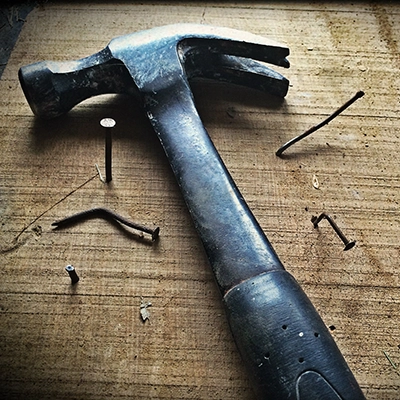
Claw Hammer
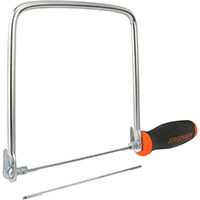
Coping Saw
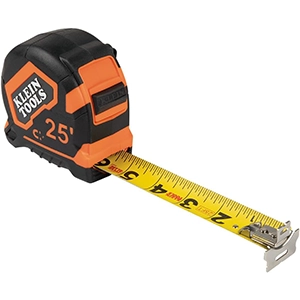
25 ft. Tape Measure

Safety Glasses

Pliers
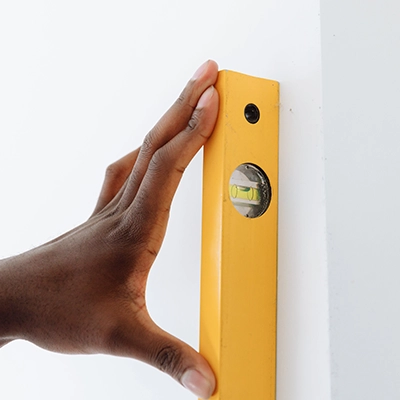
Level
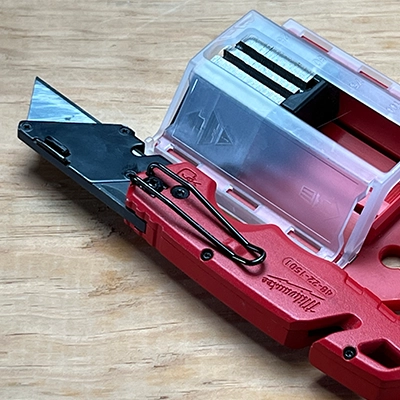
Utility Knife
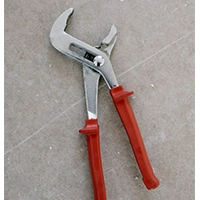
Adjustable Wrench
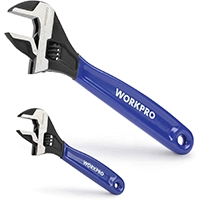
Crescent Wrench

Screwdriver Set
That’s it. You can add more as your projects grow. Let’s break it down in a safety-first, No Bull way.:
Safety First – Always (Read This Before You Start Any DIY Project)
Must Own Tools is built on two pillars:
- Safety First – Always
- No Bull Tool Advice
- A simple trip over a loose hand tool can twist an ankle or worse.
Hand tools look harmless, but a slipped knife, flying nail, or broken fastener can still send you to the Emergency Room. Before we suggest tools to buy, let’s focus on some ground rules:
- Always wear safety glasses any time you hammer, cut, pry, or use a chisel.
- Keep your non-dominant hand out of the “danger zone” (where a tool could slip or swing).
- Never compromise work on a stable surface with good lighting.
- If something feels sketchy and unsafe, stop. There’s always a safer setup.
For more safety tips, visit and bookmark the Must Own Tools safety hub: Hand Tool Safety Basics for New DIYers.
Recommended Tool
Claw Hammer
Screwdriver Set
Adjustable Wrench
Pliers
Level
Tape Measure
Safety Glasses
Utility Knife
What It’s For
Nails in/out, light demo
Nuts, bolts, basic plumbing connection
Holding nuts & bolts, grabbing screws
Cutting small dowels, pieces of wood
Leveling shelves, frames, appliances
Measuring rooms, studs, boards
Protect from flying wood, metal, plastic
Cutting boxes, drywall, carpet, caulk, etc.
Skill Level
Easy
Easy
Easy
Easy
Easy
Easy
Easy
Easy
Easy
Safety Risk
Low
Low
Low
Medium
No Bull Note
Get one decent 8–10″ to start.
Use the right blade on the right material
Any solid body level works use the right size.
Make sure the lock works smoothly.
Build this over time; don’t buy huge kits.
1. Claw Hammer
- Use it for: hanging pictures, assembling furniture, light demo.
- What to look for:
- Comfortable grip, not slippery.
- Solid head-to-handle connection.
- 16 oz claw hammer is a great all-around size.
No BullYou don’t need a $60 framing hammer. A simple, mid-priced hammer from a known brand is enough for 99% of homeowner tasks.
2. Basic Screwdriver Set
- Use it for: tightening cabinet pulls, outlet covers, furniture screws, small repairs.
- What to look for:
- A few Phillips (cross-shaped) and flathead sizes. Consider different screwdriver shaft lengths.
- Comfortable handles that don’t hurt your hand.
No Bull: Skip the giant 100-bit gimmick kits for now. Start with 4–6 solid screwdrivers. Add a ratcheting driver later when you know what you like.
3. Adjustable Wrench (8–10″)
- Use it for: nuts and bolts, small plumbing tasks (like tightening a loose supply line).
- What to look for:
- Smooth jaw adjustment (no wobble).
- Comfortable handle.
Safety First: Make sure the wrench jaws are tight on the nut before pulling. A loose grip can slip and smash your knuckles.
4. Coping Saw
- Use it for: Cutting small dowels, pieces of wood, small plastic pieces.
- What to look for:
- Strong, sharp cutting blades.
- Comfortable and durable handle that can be easily gripped.
No Bull: Skip the giant 100-bit gimmick kits for now. Start with 4–6 solid screwdrivers. Add a ratcheting driver later when you know what you like.
5.25-Foot Tape Measure
- Use it for: room measurements, lumber, hanging art at the same height.
- What to look for:
- 25 ft length (enough for most rooms).
- A solid standout (how far it can extend before bending).
- Easy-to-use lock.
For extra practice reading fractions on a tape, you can study simple tutorials like Johnson Level’s guide to reading a tape measure. johnsonlevel.com
6. Torpedo Level
- Use it for: shelves, picture frames, appliances, small projects.
- What to look for:
- At least three vials (0°, 45°, and 90°).
- Solid metal or sturdy plastic body.
Safety First When using a level on a ladder or step stool, keep three points of contact and don’t lean way off to the side.
7. Utility Knife (with Retractable Blade)
- Use it for: opening boxes, trimming drywall, cutting carpet, scoring caulk lines.
- What to look for:
- Retractable blade.
- Easy blade change mechanism
- Solid lock (blade shouldn’t slide when you push).
No Bull: A simple, well-built utility knife is worth more than fancy folding gimmicks with dull blades. Always keep at least one pack of replacement blades.
8. Pliers
- Use it for: Grabbing screws, nails, holding nuts in place while tightening and loosening.
- What to look for:
- Quality grips that stay in place.
- Sturdy, handles that close evenly.
- Good quality grippers and ridges
Safety First Use pliers carefully and to avoid slips and turn off electricity if using near outlets.
Long-Term Tool Kit: Tools You’ll Grow Into
As your DIY confidence grows, you should consider adding :
- Needle-nose pliers – great for tight spaces and small fasteners.
- Allen key (hex) set – for furniture and bike repairs.
- Stud finder – for mounting TVs and heavier shelves.
- Small handsaw– for cutting trim, small boards, or dowels.
External guides like DIY Playbook’s essential tools list and similar homeowner tool kit guides can give you ideas—but remember, your MustOwnTools list is filtered through Safety First and No Bull. DIY Playbook+1
Skip For Now
- Huge 150+ piece kits with a lot of filler tools you’ll never touch
- Super cheap, no-name tools with obvious defects or flimsy handles
- Specialized tools for projects you’re not doing yet
No Bull: You don’t need the biggest tool kit on the shelf. You need a dependable, beginner-friendly set that helps you work safely and successfully. Start small, buy quality where it matters, and add more tools as your projects demand it.
Safety First – Always
- Wear safety glasses when hammering, cutting, or working with anything that can chip or splinter.
- Keep blades sharp and covered when you’re not using them.
- Don’t hold the workpiece in your hand if you can clamp it instead.
- If you’re tired, frustrated, or rushing, that’s your cue to stop.
You can find a deeper dive in our guide: Hand Tool Safety Basics for New DIYers on MustOwnTools.com.