Hand Tool Safety Basics for DIYers (Safety First – Always)
Follow these hand tool safety rules to finish every DIY project efficiently and safely, no matter the size and type of project.

Wear Eye Protection

Use The Right Tool
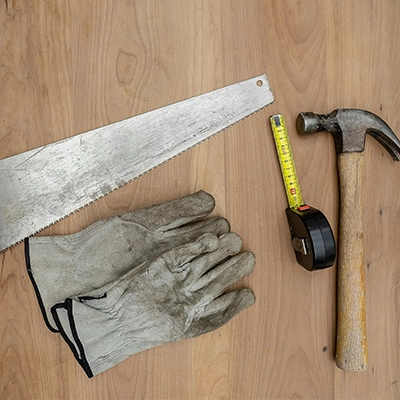
Inspect Your Tools
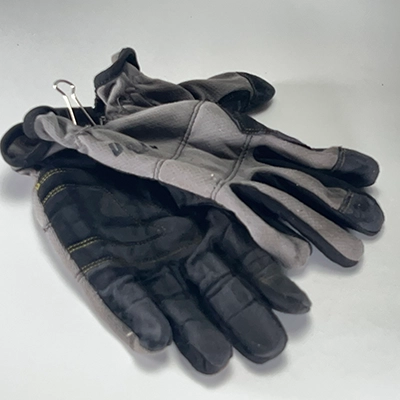
Keep Your Hands Safe

Cut & Strike Away From The Body

Work On A Stable Surface
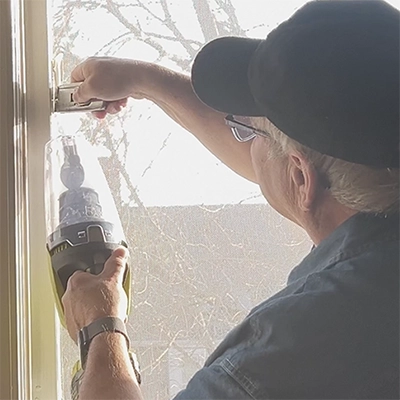
Clean Up After DIY Projects
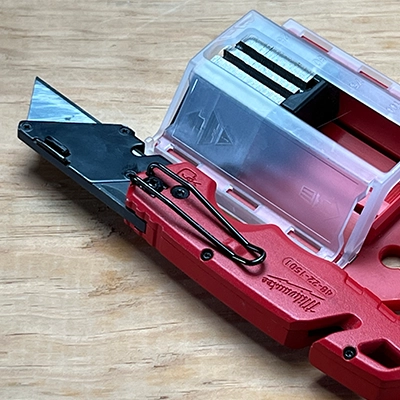
Cover Sharp Blades

Never Rush, Slow Movements
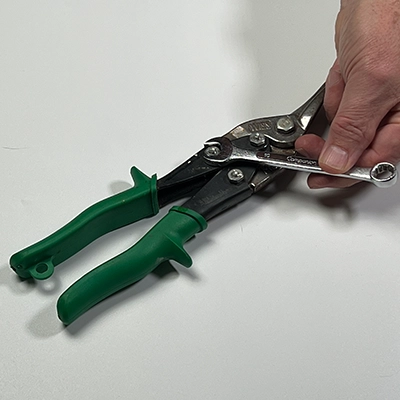
Confused? Stop & Reset
Why Hand Tool Safety Matters More Than You Think
Most people believe power tools cause all DIY injuries. Hand tool safety is just as important with hand tools. A few examples of potential safety issues:
- A flying nail can hit your eye.
- A dull utility knife can slip and you could cut yourself deep.
- A simple trip over a loose hand tool can twist an ankle or worse.
Our No Bull promise: we’re not here to scare you, but we won’t lie either. A few simple habits will help you avoid most injuries.
If you’re still building your first tool kit, check out our blog on essential hand tools for homeowners and make sure you use these safety tips when using hand tools.
Must-Own Safety Gear for Hand Tool Work
Don’t break the bank or purchase unneeded safety gear. There are a few items you absolutely should have in your tool kit.
Safety Glasses – A Must Have!
Any time you use the following tools:
- Hammers
- Saw
- Chisel
- Knife
- Screwdriver
- Pry Bars
ALWAYS wear safety glasses. Wood chips and metal shards move fast. You need your eyes, don’t let your DIY project ruin your eyesight. Wear your Safety Glasses – Always!
Gloves – When They Can Help Protect Your Hands
Gloves are great for:
- Handling rough lumber
- Yard Work
- Carrying heavy or sharp objects
- When you need a good grip on a tool
Skip gloves for very small, precise tasks where you need full finger control. If a glove makes it hard to grip safely, take it off.
Dust, Noise, and Clothing
Even with hand tools:
- Sanding and scraping can kick up dust. Use a simple dust mask if you’re sanding a lot.
- Hammering on metal or concrete can get loud.
- Wear closed-toe shoes and avoid loose clothing, dangling jewelry, and untied long hair.
- Use hearing protection such as ear plugs, head phones or other hearing protection to protect from loud noise.
Protect yourself! Using hand tools can also create, Dust, and Loud Noise. Masks, hearing protection are a must!
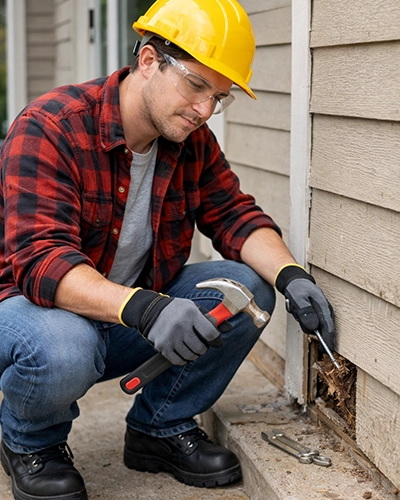
Basic Tool Safety – Using Common Hand Tools the Right Way
You don’t need to be an expert to use hand tools safely. You just need to know a few basics for each type.
Screwdriver Safety
- Match the screwdriver tip to the screw head (size and type).
- Press straight in, not at an angle, to avoid slipping.
- Don’t use a screwdriver as a pry bar or chisel. It’s not built for that.
Cutting Tools
- Always cut away from your body and other hand.
- Keep the blade sharp. Dull blades slip more.
- Use a safe surface under your cut, like scrap wood or a cutting mat.
Pliers & Wrenches
- Make sure you have a firm grip before you pull.
- Pull the wrench toward you instead of pushing. If it slips, you’re less likely to slam your knuckles.
- Never use a small wrench with a pipe on the handle.
Hammer Safety
- Grip the hammer near the end of the handle, not up by the head.
- Aim for clean, square hits..
- Don’t use a hammer with a loose head, cracked handle, or chipped face.
Tool Storage and Maintenance: Safety After the Project
Safety doesn’t end when you drive the last screw or hammer the last nail.
- Wipe tools down and remove dust, dirt, and moisture.
- Cover blades and sharp edges with guards or sheaths.
- Store heavy tools low and secure so they can’t fall.
- If a tool is cracked, bent, or falling apart, throw it away. A $20 replacement is cheaper than a visit to the doctor and stitches.
In homes with kids and pets, use a toolbox that can be locked, cabinet, or at least a high shelf they can’t reach.
Do’s / Dont’s: No-Bull Hand Tool Safety Rules
Here’s your simple basic tool safety checklist.
Definitely Do The Following:
- DO inspect tools before each use.
- DO use clamps to hold your materials in place instead of holding it in your hand.
- DO practice hand tool actions slowly until they feel natural.
- DO store your tools in the same place every time so you always know where they are
Definitely Don’t Do The Following:
- DON’T use damaged or cheap, flimsy tools for DIY work.
- DON’T work from an unstable ladder, wobbly stool, or messy floor.
- DON’T rush because you’re tired, frustrated, or in a hurry. That’s when injuries happen.
- DON’T ignore that gut feeling that something isn’t right. Stop and reassess.
When to Stop DIY and Call a Pro
Sometimes the safest move is to call a Pro! Consider calling a Pro when:
- You’re uncomfortable cutting, drilling, or removing material.
- A mistake could cause serious water damage, electrical shock, or structural issues.
- You feel out of your depth even after reading and watching tutorials.
- Investing in new tools will cost as much as the repair.
DIY is great. Staying safe is better.
Must Own Tools “No Bull” Safety Verdict
Develop good DIY safety habits
- Always wear Safety Glasses
- Determine the right tool, use it the right way
- Keep hands and your body out of the danger zone
- Take it slowly, until you are comfortable and sure you are doing the job correctly
Combine our safety tips with a good starter tool kit, and you’ll finish a DIY project safely.