How to Use a Screwdriver Safely
Stop Stripping Screws (and Smashing Your Knuckles)
5 simple steps to use a screwdriver safely (works for most screws and screwdrivers).
Must Own Tools exists to give clear, Safety First - Always, and No Bull tool advice.
Sign Up for the "Nailed It" Newsletter 
Enter your email address below.
WHATS IN THIS ARTICLE?
Stop Stripping Screws (and Smashing Your Knuckles)
• Watch our how to use a Screwdriver correctly, and safely
• Key Takeaways
• Watch the “Using a Screwdriver Safely” Video
• Pre-Drill or Punch a Starter Hole
• Common Mistakes
• Safety First - Always
• How To Use a Screwdriver Safely - Frequently Asked Questions
For additional information on selecting hand tools, download this guide to selecting hand tools.
The safest way to use a screwdriver is to make sure you are using the correct screwdriver tip to the screw head, start the hole (pre-drill/punch), keep the screwdriver straight up and down, and apply steady downward pressure while turning slowly.
Key Takeaways from the video
- Use the correct screw length and matching screw head/driver tip
- If the tip wiggles in the screw head when trying to turn, it’s wrong—stripping the screw head next
- Pre-drill or punch a starter hole (especially near edges)
- Keep fingers out of the “slip zone”
- Turn the screw and drive straight with consistent pressure and controlled turns

Step 1: Watch the “Using a Screwdriver Safely” Video
Start with the video above. It shows the exact hand position, alignment, and pressure that prevent slips.
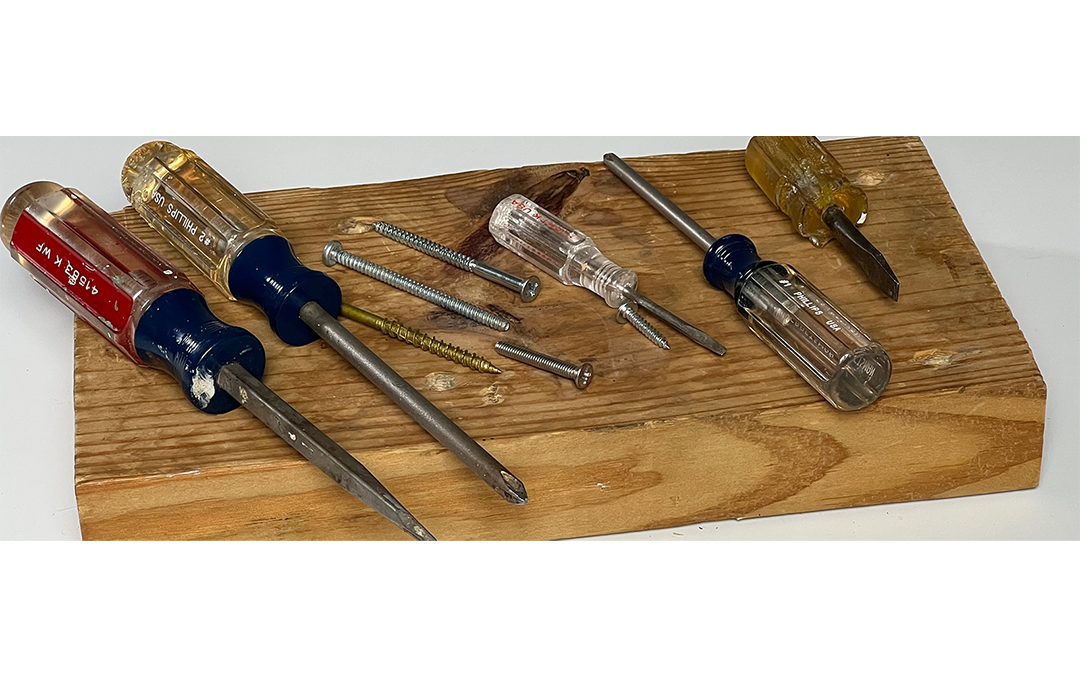
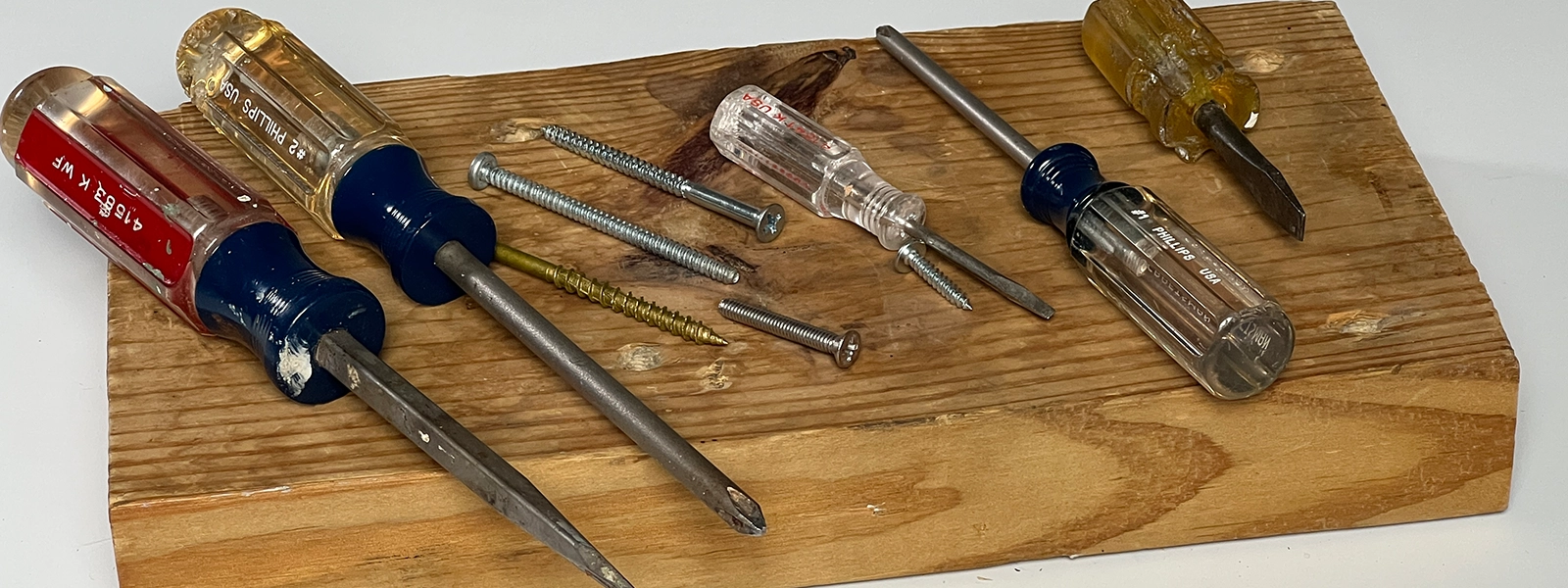
Step 2: Choose the Correct Screw + the Correct Screwdriver
No Bull rule: the driver tip must seat deep and snug. If it feels loose or wobbly, you’re using the wrong size or type—stop and find the right sized screwdriver.
Common drive types: Phillips, slotted, Robertson (square), Torx, Pozidriv (often confused with Phillips). (If you want a quick reference chart, we can add it.)
Step 3: Pre-Drill or Punch a Starter Hole
A starter hole helps the screw go in straight, reduces splitting, and makes driving safer and easier—especially near board edges.
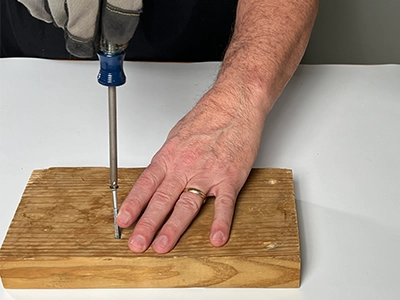
Step 4: Hold the Screw Safely (One Hand)
Hold the screw steady to start—but keep your fingertips back and away from where the driver can slip.
Step 5: Drive the Screw with Consistent Pressure + Control
Keep the screwdriver straight up from the screw and apply steady downward pressure as you turn.
If you feel slipping starting—stop, reseat the tip, or find the correct screwdriver size and continue.
Ratcheting Screwdriver
Common Mistakes
- Wrong screwdriver tip → be sure to use the correct type/screwdriver and screw size
- No starter hole pre-drill or use a punch to make a starter hole.
- Driving at an angle square up your wrist/forearm and screwdriver with the screw
- Too much speed don't try to drive in the screw too quickly. Stay in control turn consistently.
- Don't force a slipping screwdriverreset the screwdriver and set it squarely in the screw head before you strip the head
- Why learn how to use a screwdriver safely?
- I am not able to hold a screw with my fingers, what do I do?
- What screwdrivers should I have in my DIY tool kit!
- Stop smashing knuckles & fingers when the screwdriver slips
- No more wasted time and money on stripped screws
- Complete the DIY job done right! The right screwdriver for the best screwdriver for the DIY job
We suggest two things:
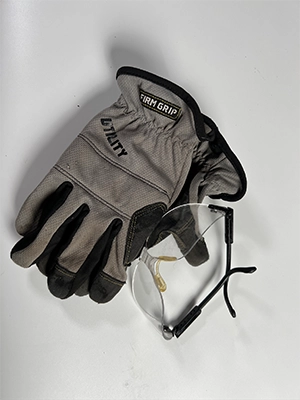
- Wear a pair of utility gloves to help reduce scratches and scrapes
- Hold the screw - not to tight - with a needle nose pliers to keep it steady while using the screwdriver
Starting out we suggest a Phillips head and flat head screwdriver. These two will cover 75% of your DIY projects. Avoid costly, sets of multiple screwdrivers, spend your hard earned money on a couple of quality screwdrivers that will last and get the job done.