Screwdrivers 101: Don’t Strip Screws
What Screwdrivers Do You Need To Start Your DIY Tool Kit?
If you’re just starting your DIY journey, you don’t need a 100-piece bit set. A beginner screwdriver kit can be simple:
- 2 × Phillips screwdrivers (one small, one medium)
- 2 × flathead screwdrivers (one small, one medium)
- Optional but useful: a ratcheting screwdriver with a few common bits
Those four screwdriver basics (plus one ratcheting driver if you want) will cover most jobs around the house—outlet covers, cabinet doors, furniture assembly, light fixtures, small repairs. This screwdriver set will round out your essential hand tool kit.
WHATS IN THIS ARTICLE?
• What Screwdrivers Does a Beginner Really Need?
• Safety First – Always (Even for Screwdrivers)
• Screwdriver Types and Uses
• Choosing the Best Screwdriver Set for your DIY Starter Kit
• What to Look For (No Bull Checklist)
• How to Use a Screwdriver (Without Stripping Screws)
• How to Avoid Stripping Screws
• Safety First
• No Bull Verdict: What Screwdrivers Should You Buy First?
Safety First – Always (Even for Screwdrivers)
Screwdrivers seem harmless, but they show up in a lot of minor injuries:
At Must Own Tools, one of our core pillars is Safety First – Always:
- Screwdrivers slip and the Tips could stab fingers or palms
- Screwdriver handles can break and you lose control
- Never use screwdrivers as chisels or pry bars, even quality screwdrivers can shatter or snap
As always at Must Own Tools, we lead with:
- Safety First – Always
- No Bull tool advice
Before we talk about screwdriver types and uses, set these safety habits:
- Use the correct screwdriver and tip— the wrong size screwdriver or tip = high chance of slipping.
- Push and turn the screwdriver straight in line with the screw head. Don’t twist with a weird angle.
- Never use screwdrivers as chisels, pry bars, or punches.
- Wear safety glasses, brittle materials (old plastic, masonry, etc.) can chip and fly into your eyes.
Screwdriver Types and Uses
Phillips Screwdriver (The “Plus Sign”)
- Head shape: cross or “+”
- Common use: household screws, electronics, appliances, furniture
- Why it’s popular: self-centering; stays in the screw better than a flathead when sized correctly.
No Bull Tip: Most of the screws you’ll meet inside your home will be Phillips Head Screwdriver. If you buy only one type at first, make it this.
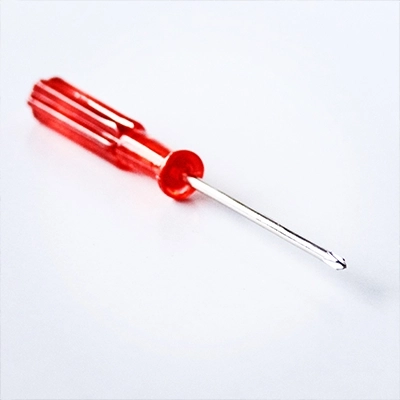
Phillips Head Screwdriver
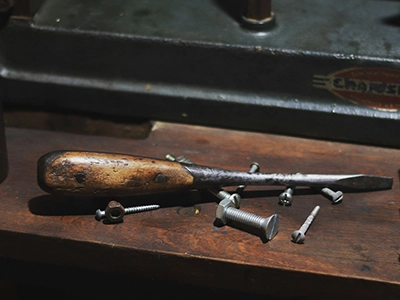
Flathead / Slotted Screwdriver
- Head shape: single flat blade
- Common use: older hardware, electrical outlets, some furniture, small adjustment screws. Use insulated screwdrivers for electrical work to avoid electrical shock.
- Quirks: tends to slip out out of the screw head more easily; needs very good size match and pressure.
Safety First: A slipping flathead is a classic way to stab your hand or scratch a surface. Keep your off-hand out of the line of fire.
Other Common Screwdriver Types You’ll See
You’ll run into these eventually, especially on newer hardware:
- Torx (star-shaped): great grip, common on some door hardware and electronics. Great “grabbing” less slippage than other screws
- Square / Robertson (square socket): common in deck screws and some construction fasteners.
- Hex / Allen (hexagon socket): very common in flat-pack furniture and bikes.
For these, a ratcheting screwdriver with interchangeable bits is usually the easiest, budget-friendly way to cover them.
Many big box stores and tool brands (Home Depot, Lowe’s, Klein, Wiha, etc.) have clear charts of screw head styles you can point to as external references if you want visual examples.
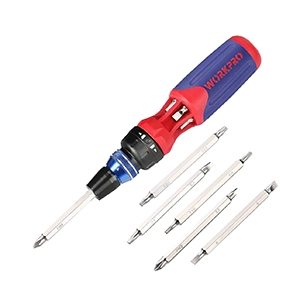
Ratcheting Screwdriver
Choosing the Best Screwdriver Set for your DIY Starter Kit
When you’re standing in front of a wall of screwdrivers, here’s how to think about it.
Start With:
- Phillips #1 and #2 (small and medium)
- Slotted 3/16″ and 1/4″ (small and medium).
These sizes will handle:
- Most cabinet and furniture screws
- Electrical outlet and switch screws
- Many appliance and hardware screws
Add a Ratcheting Screwdriver
A ratcheting screwdriver with Phillips, flat, Torx, and square bits is an easy upgrade. It:
- Reduces wrist strain
- Speeds up long runs of screws (like hinge plates or shelves)
- Takes up less room than 20 separate screwdrivers
What to Look For (No Bull Screwdriver Checklist)
- Comfortable handle: grippy, not slick, fits your hand well
- Quality steel: tips don’t deform instantly on the first tough screw
- Clearly labeled sizes: printed or etched on the handle or shaft
- Magnetic tips (nice, not mandatory): helps hold screws in tight spots
What to skip:
- Giant, super-cheap 50+ piece driver sets where every handle feels flimsy
- “All-in-one” novelty drivers with folding parts that wobble under pressure
No Bull Verdict:
One small set of quality screwdrivers + one decent ratcheting driver beats a giant bargain-bin kit that feels like toys.
Download our Safety Gear Usage and Storage Guide
How to Use a Screwdriver (Without Stripping Screws)
Here’s a simple repeatable process.
Match the Screwdriver Tip to the Screw
- For Phillips Screwdrivers: the tip should fill the screw head without wobbling or riding up out of the slots.
- For Flathead Screwdrivers: the blade should be narrow enough to fit and thick enough to fill the slot.
If the screwdriver feels loose or slips easily when you twist by hand, find the correct size before moving on.
Line Up the Screwdriver – straight up and down on the screw.
- Point the screwdriver straight into the screw, not at an angle.
- Keep your wrist, forearm, and the screw in one straight line.
- Closed-toe shoes never hammer in flip-flops.
Using the screwdriver at an angle is one of the fastest ways to strip a screw head.
When using a screwdriver, use firm, even pressure
- Push the screwdriver into the screw with steady pressure.
- To gain torque, turn with your shoulder and arm, not just your wrist.
- Listen and feel: if the tip starts to slip and click, stop and reset.
For Tight Screws
If a screw is stubborn:
- Make sure you have the perfect size tip.
- Try turning just a bit to loosen.
- Consider using a punch, or drilling a starter hole to start screws.
- For Phillips screws, some pros tap the driver lightly with a hammer while holding pressure to seat the tip more deeply—do this carefully and only on surfaces where a light tap is safe.
Don’t Over Tighten
- Once the screw head is snug and the part feels secure, stop.
- Over-tightening can strip the head of the screw or the material (especially in wood and drywall).
Safety First-Always: Be careful, when a screw head breaks free, you don’t want your knuckles to slam into the wall or board. Always wear eye protection, a screw that unexpectedly pops free can fly dangerously in any direction.
How to Avoid Stripping Screws
Stripped screws are the enemy of DIYers. Here’s how to avoid stripping screws:
Right size, every time
- The screwdriver should feel like it “locks in” to the screw head. If it doesn’t, find the right size.
Keep the screwdriver straight up & down
- Even a good tip will slip if you’re holding the screwdriver at an angle.
Firm downward pressure and a steady turn.
- Don’t just “turn harder” if the screwdriver starts to slip—reset your grip and angle.
Use better quality screws whenever you can
- Many cheap screws are soft and strip easily. Consider using quality brand screws.
Stop turning when the screw is snug
- Over-driving a screw in soft wood or drywall strips the material and weakens the connection.
If you over tighten a screw and strip the connection don’t beat yourself up—every DIYer has done it. Keep a few screw extractor bits in your toolbox for the worst cases, and remember this is a skill you build over time.
Safety First – Always
- Match the right screwdriver tip to the screw head before turning.
- Keep your other hand and fingers out of the driver’s path if it slips.
- NEVER use screwdrivers as chisels, pry bars, or punches.
- Wear safety glasses when working near your face or around brittle material.
For a full safety overview, check out the Safety First Page on MustOwnTools.com.
No Bull Verdict: What Screwdrivers Should You Buy First?
Buy Now
- Phillips #1 and #2 screwdrivers
- Flat Head (Slotted) 3/16″ and 1/4″ screwdrivers
- One ratcheting screwdriver with common bits (Phillips, flat, Torx, square)
Add Later
- Precision screwdriver set for electronics and tiny screws
- Insulated electrician’s screwdrivers if you’ll be doing more electrical work
- Extra Torx/Robertson bit sets if you do decking or lots of hardware installs
Skip (For Now)
- Super cheap 40–100 piece “mega sets” with weak handles and soft bits
- Super cheap 40–100 piece “mega sets” with weak handles and soft bits
No Bull: You need a small group of screwdriver sizes that fit 80–90% of the screws in your home, and the skills to use them safely and confidently
Screwdriver 101 Frequently Asked Questions
Start with Four Basics
Start with four basics: two Phillips (small and medium) and two flathead (small and medium). Add a ratcheting screwdriver with interchangeable bits for Torx, square, and other specialty screws. That small set will cover most household jobs.
A Phillips screwdriver has a cross-shaped tip that fits into a “+” shaped screw head
A claw hammer (usually 16 oz with a curved claw) is made for general use and pulling nails with good leverage. A framing hammer is heavier (20–24 oz), often has a straight claw and a textured face, and is built for rough framing and demo work. Framing hammers hit harder but are more tiring and easier to dent surfaces, so they’re not ideal as a first hammer.
Test the fit before turning.
Test the fit before turning. The tip should sit all the way into the screw head with minimal wobble. If it rocks or rides up easily, try a different size. If you feel it slip or “cam out” when you start turning, stop and switch to a better-fitting driver.
Use the right screwdriver size
Some budget screwdrivers are fine
Screwdrivers are made for turning screws
No. Screwdrivers are made for turning screws, not prying or chiseling. Using them that way can bend the shaft, chip the tip, or cause the handle to break, which may send the tool flying or stab your hand. Use a proper pry bar or chisel instead.