What are Ratchet Wrenches?
As an Amazon Associate, Must Own Tools may earn commissions from qualifying purchases.
Table of Contents
Introduction
What exactly are Ratcheting Wrenches?
Why Choose a Ratchet Wrench Over a Traditional Wrench?
Practical Applications for Ratchet Wrenches
Storage Solutions for Ratcheting Wrenches
What is the Right Ratchet Wrench for Your DIY Project?
The different types of ratchet wrenches
Ratchet wrenches are safer than traditional wrenches
Ratchet Wrenches Maintenance Tips
Conclusion
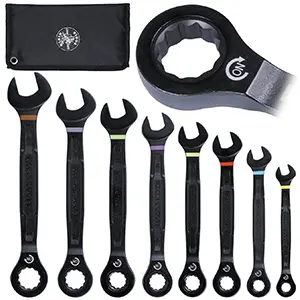
Introduction
Experienced DIY enthusiasts know that having the right tools make a difference when tackling home projects. Whether you’re tightening bolts on a new garden swing or fixing a leaky sink, the right tool can save you time, effort and provide a safer project. Among all of your DIY tools, the ratcheting wrench stands out as a must-have for every toolbox.
What exactly are ratchet wrenches, and how can they transform your home repair projects? In this guide, we’ll explore the versatility and efficiency of ratchet wrenches. We offer insights into their many uses and why they are a must have for DIY homeowners and mechanics alike.
What exactly are Ratcheting Wrenches?
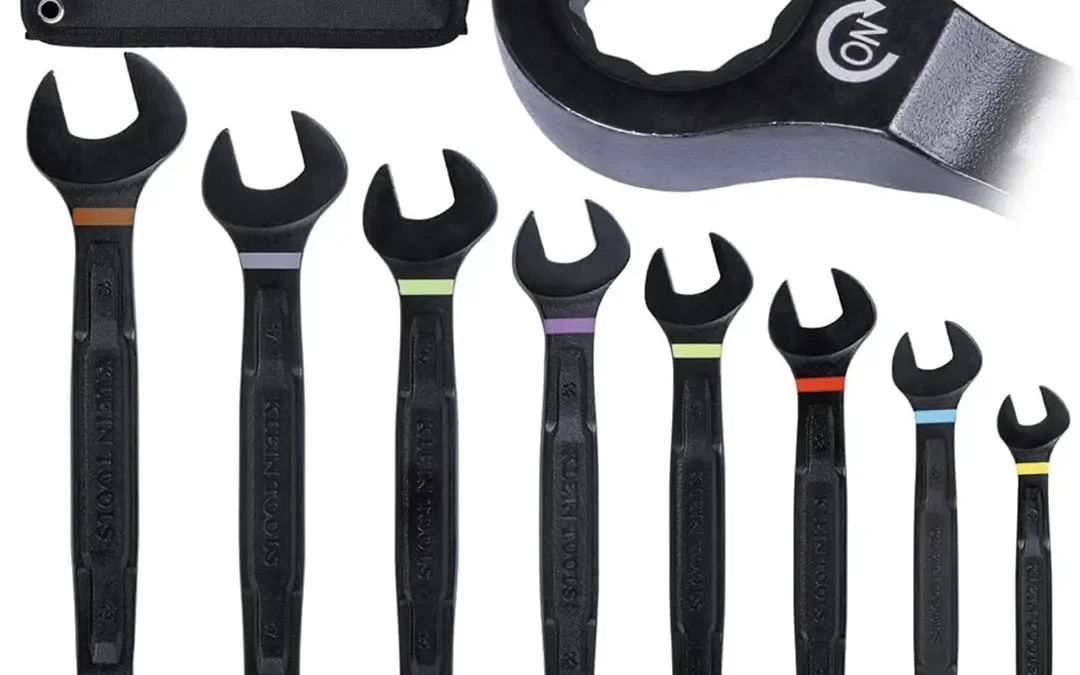
Ratcheting wrenches combine the functionality of traditional wrenches with the efficiency and ease of a ratchet mechanism. Unlike conventional wrenches that require readjustment after each turn, a ratchet wrench allows you to continuously tightening or loosening bolts without repositioning. The ratchet mechanism, lets you turn the handle back and forth while keeping the wrench in place on the bolt. The ratchet mechanism makes tasks faster and more efficient, offering a clear advantage in tight spaces where having to replace the wrench on the bolt is cumbersome.
Ratcheting wrenches come in various shapes and sizes, making them versatile, and handy for multiple projects. You can purchase them in both Metric, and SAE sizes, be sure to determine what type you need before buying. Some manufacturers, offer wrench sets that have both types in the same set. This adaptability makes them the perfect wrench for your DIY toolbox.
Why Choose a Ratchet Wrench Over a Traditional Wrench?
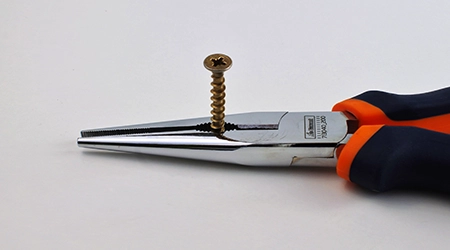
When deciding between a ratchet wrench and a traditional wrench (such as pliers), several factors should be considered. Ratchet wrenches provide speed, efficiency, and a safer fastening. With a ratcheting wrench, the need for constant repositioning is eliminated. This means you can complete repair projects more quickly, increasing productivity, and saving costs over time.
Ratcheting wrenches provide greater accessibility in confined spaces. Their compact design and ability to work in tight corners make them perfect for automotive repairs or any task with limited maneuvering space. Users don’t have to contort their bodies to fit awkward angles and reach difficult places.
These tools are designed to work with a wide array of nuts and bolts, providing a one-size-fits-all solution that traditional aren’t able to do. With ratcheting wrenches in both Metric and SAE sizes, you’ll have the right tool for any job.
Learn More about Ratcheting Wrenches
We dig deeper into Ratchet Wrenches in our “10 Reasons Why you need Ratcheting Wrenches in your DIY Toolbox!”
Practical Applications for Ratchet Wrenches
Ratcheting wrenches are not just for mechanics—they’re perfect for a many DIY projects. If you’re assembling flat-pack furniture, a ratchet wrench can tighten screws and bolts quickly. Its ability to operate efficiently in small spaces means you can reach nuts and bolts without needing to taking apart entire sections to gain access.
Plumbing repairs, are made easier, and more efficient. The confined spaces under sinks, and behind toilets are a wrenching nightmare. With a ratchet wrench, you can easily maneuver in these tight spots, completing tasks faster and with less bruised knuckles.
In the automotive world, ratcheting wrenches are a must for pro, and amateur auto mechanics . From changing a car battery to adjusting engine components, these tools allow for quick adjustments, saving both time and energy. A well-equipped toolkit with a full set of ratcheting wrenches can mean the difference between a quick job, and a painful repair experience.
Storage Solutions for Ratcheting Wrenches
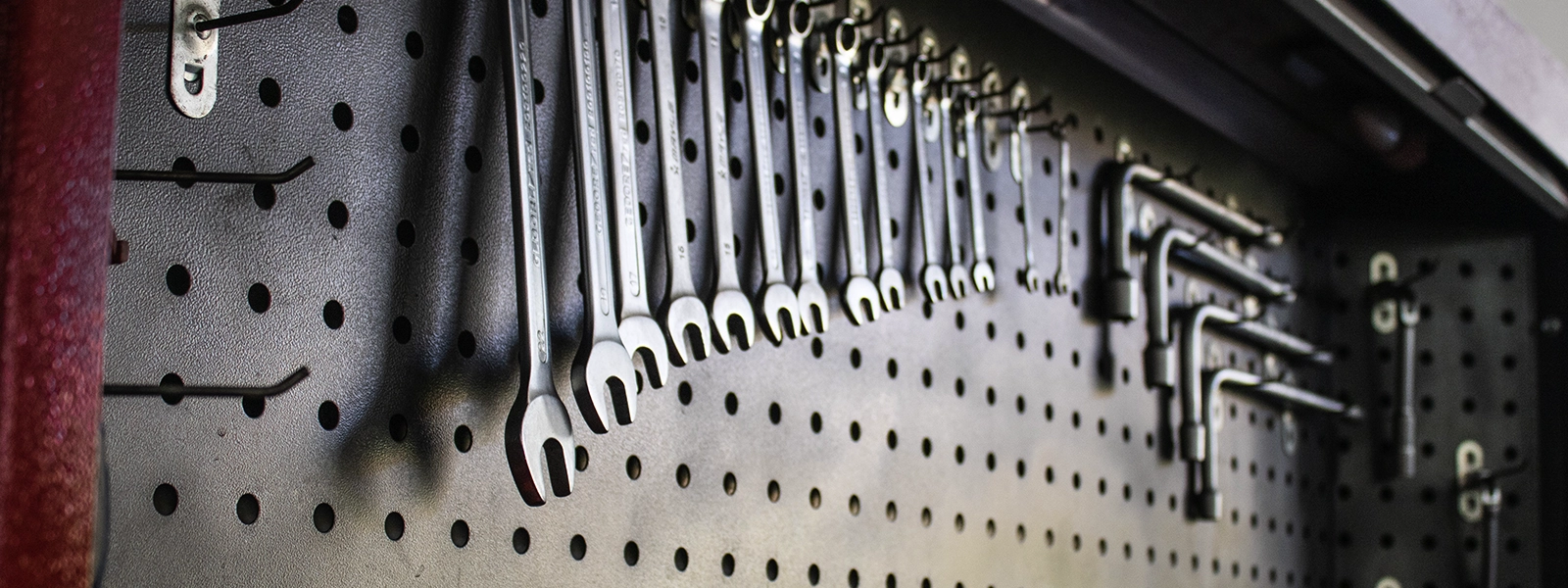
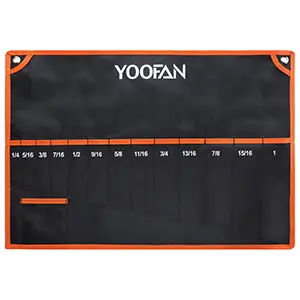
Ratcheting wrenches belong in your DIY toolkit because they are easy to store. Unlike cumbersome traditional tools, these wrenches are compact, and often come in organized sets stored in easy to use storage. These storage boxes helps keep your workspace tidy, and help keep your ratcheting wrenches clean.
Having an organized toolset is essential for efficiency. It reduces the time spent searching for the right size wrench, letting you focus on your DIY project.
The better sets even include a carrying case, making it easy to transport your tools to the job site.
What is the Right Ratchet Wrench for Your DIY Project?
When selecting the right ratchet wrench consider several factors, starting with the types of projects you plan to work on. If you predominantly do home repairs, a set of basic ratcheting wrenches in common metric and SAE sizes is all you need. These offer versatility for your household tasks without overwhelming you with unnecessary sizes or features.
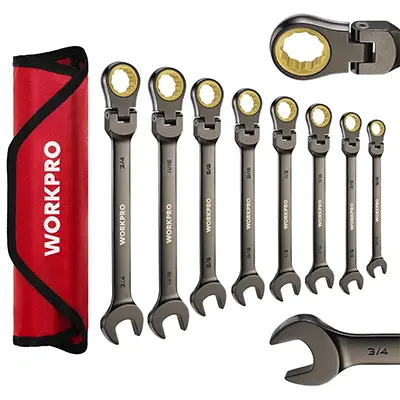
For those interested in automotive work, consider a more extensive ratchet wrench set that includes specialty sizes intended for car repair. You will need ratchet wrenches with pivoting heads, that give you added flexibility for reaching difficult angles. The pivoting heads give you added flexibility giving you the opportunity to approach repairs from multiple directions.
Quality is also an important factor in your purchase decision. Buy wrenches made from durable materials like chrome vanadium steel. This ensures your tools will hold up under normal wear and tear. Investing in high-quality ratcheting wrenches may have a higher upfront cost, but their durability and performance help them pay for themselves.
The different types of ratchet wrenches
Ratchets come in several varieties, each designed to meet specific needs. Standard ratcheting combination wrench, which features an open-end wrench on one side and a ratcheting box-end on the other is common. This dual-purpose design offers flexibility, making it suitable for a lot of different repairs and construction projects.
Flex-head ratcheting wrenches are even more versatile. Their adjustable heads allow for easier access to awkward spaces, making them a favorite among mechanics and DIY enthusiasts tackling intricate projects. These ratchets can bend and move with ease, they work well in tight spaces.
For those who require even more precision, there are also fine-tooth ratcheting wrenches. Featuring a higher tooth count in the ratchet mechanism, these tools allow for smaller increments of movement. This increased control is helpful when working with delicate or high-torque applications where precision is key.
Ratchet wrenches are safer than traditional wrenches
Safety is a critical aspect of any DIY project or repair job. Using the right tool can significantly reduce the risk of injury or damage to equipment. Ratcheting wrenches are designed to enhance safety by providing a secure grip and reducing the likelihood of slipping. Their ratchet mechanism enables controlled, steady motion, minimizing the chances of sudden slips or jerks.
When working in confined spaces, ratcheting wrenches offer an added layer of safety by reducing the need for excessive force. Reduced bruised, and cut knuckles, and hands.
Additionally, the ability to use ratcheting wrenches with minimal effort reduces fatigue, allowing for longer working sessions without compromising your safety. This makes them ideal for complex or time-consuming projects where maintaining focus and precision is crucial.
.
Ratchet Wrenches Maintenance Tips
Keeping your ratcheting wrenches well maintained is essential for ensure their durability, and performance. Start with basic cleaning after each use, wipe down your wrenches to remove dirt, grime. Removing moisture from your ratchets prevents corrosion and preserves their finish.
Lubricating the ratchet mechanism periodically is also helps keeping them operating effectively for a long time. Apply a light machine oil or a specialized lubricant designed for tools it can keep the ratchet functioning smoothly.
Storage plays a significant role in tool maintenance. Keep your ratcheting wrenches organized in a dry, secure toolbox or storage bag. This not only protects them from dirt and grime but also makes it easier to locate the right tool for the job, saving you time and frustration.
Conclusion
Ratcheting wrenches are a must for any toolkit, offering speed, efficiency, and versatility for a wide range of repair, and construction projects. From assembling furniture and performing plumbing fixes to tackling automotive repairs, ratchet wrenches help DIY enthusiasts, and pros to work smarter, not harder.
By choosing the right ratcheting wrenches, and maintaining them properly, you can elevate your repair skills and tackle projects with confidence.
More Great DIY Tool Articles
You need ratcheting wrenches in your DIY tool box!
Must Own Tools believes ratcheting wrenches can be a game changer for DIY projects. They can help get a repair or construction job completed faster, safer and more efficiently.
Read More
How Screwdrivers Are Used
How Are Screwdrivers Used?We provide you information on your favorite screwdrivers, and teach you about the intended use and how screwdrivers are used in your DIY construction and home repair projects.
Read More