
What is an Open Ended Wrench? A DIY Guide for Homeowners and Mechanics
Introduction: “What is an Open Ended Wrench?”
Open ended wrenches are a must have in any toolbox, equally important for seasoned mechanics and DIY enthusiasts. Lightweight, versatile, and easy to use, they are essential when you need to fasten or loosen nuts and bolts. How do you use an open ended wrench effectively? Should you buy a single open ended wrench or invest in a full set? What should you consider when shopping for open ended wrenches?
Whether you’re a homeowner working on a DIY home repair or construction project, an automotive hobbyist taking on weekend car rebuilds, or an experienced vehicle mechanic, this blog will help you make informed decisions about open ended wrenches.
Explore more wrench choices at Must Own Tools
Must Own Tools is an Amazon Affiliate we may receive a small commission from Amazon or others. The commission helps us continue to provide valuable information.
What you will find in this article
What Is an Open Ended Wrench?
How to Use an Open Ended Wrench?
Key Characteristics of Open Ended Wrenches
Should You Choose Metric, SAE, or Both?
Should you Buy a Single Open Ended Wrench or a Full Set?
Open Ended Wrench Uses at Home, and for Auto Repair
Buying Tips for Open Ended Wrenches
How to organize and store your Open Ended Wrenches
Final Thoughts
What is an Open Ended Wrench
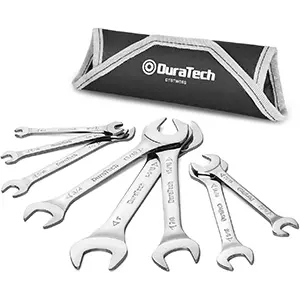
An open ended wrench is a hand tool designed to grip and tighten or loosen nuts and bolts. It features a U-shaped opening at one or both ends that fits a specific size of metric or SAE nuts and bolts. Unlike close end wrenches – such as socket wrenches – that enclose the fasteners completely, open ended wrenches grip only two sides of a nut, making them ideal for tasks requiring speed and flexibility.

Key Characteristics of Open Ended Wrenches:
-
U-shaped Ends: The U-Shaped end is designed for easy access to fasteners in tight spaces. With closed ended wrenches they have to be put over the top of the nut or bolt, an open ended wrench can slide in from the side as well as from the top.
-
Different Sizes: Unlike adjustable wrenches, open ended wrenches come in specific sizes for a precise fit. If you have a variety of bolt sizes a set of open ended wrenches is probably the right choice for you.
-
Lightweight and Simple: Perfect for straightforward tightening or loosening tasks.
These wrenches are an essential part of mechanics, and DIY enthusiasts’ toolkits due to the open ended wrenches versatility, affordability, and durability.
These wrenches are an essential part of mechanics, and DIY enthusiasts’ toolkits due to the open ended wrenches versatility, affordability, and durability.
How to Use an Open Ended Wrench
Using an open ended wrench is simple—but to get the best results and avoid damaging your tools or fasteners, or getting bruised knuckles, follow these steps:
-
Choose the Right Size: Match the wrench’s opening to the size of the bolt or nut. Using the wrong size can strip the nut or bolt damaging the wrench. A stripped bolt could require a major costly repair.
-
Place the Wrench: Align the wrench’s U-shaped opening with the fastener and ensure it grips the fastener firmly. Don’t be too quick to finish the job, find the right size to do the job correctly.
-
Apply Pressure: Turn the wrench clockwise to tighten or counterclockwise to loosen, applying steady pressure. Avoid jerky movements to prevent slippage. If the bolt is stuck or rusted, use a little liquid lubricant such as WD-40 to help loosen the bolt.
-
Reposition as Needed: Unlike a ratchet, you’ll need to reposition the wrench after each turn. Regrip the wrench as you continue to tighten or loosen it.
Pro Tip: Open ended wrenches are perfect for situations where a full turn isn’t possible, such as confined spaces. Their slim profile makes them excellent for hard-to-reach spots.

Should You Choose Metric, SAE, or Both?
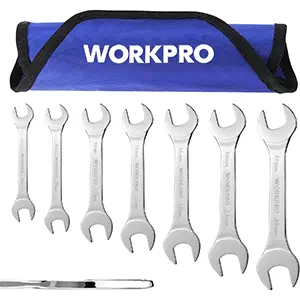
When it comes to open ended wrenches, choosing between metric and SAE (Society of Automotive Engineers) sizes depends largely on the type of work you plan to do and the region you’re located in.
-
Metric Sizes: Used internationally and common in automotive repair, especially for European and Japanese vehicles. Sizes are measured in millimeters (e.g., 10mm, 15mm)
-
SAE Sizes: Standard in the United States, SAE sizes are measured in inches (e.g., 1/4″, 3/8″). They’re commonly found in older American-made machinery and vehicles.
-
Both Metric and SAE: Purchasing both offers maximum versatility, especially if you work on a mix of modern and vintage vehicles or home repair tasks. Look for open-ended wrench sets that feature both SAE and Metric wrench sizes, this way you will always have the right size wrench.
Buying Recommendation: If you’re unsure, start with a metric set as they’re used universally. Add an SAE set later if needed.
Single Open Ended Wrenches:
-
Perfect if you only need one specific size for a particular task.
-
If your budget doesn’t allow purchasing a set, a single open-ended wrench is a cost-effective option for occasional users.
-
Great for replacing lost or damaged wrenches in an existing set.
Full Wrench Sets:
-
A better option for homeowners and mechanics who handle diverse tasks.
-
Sets often include both metric and SAE sizes for versatility.
-
Organized sets make it easier to find the size you need quickly.
Buying Recommendation: If you’re starting out, invest in a wrench set. It’s cost-effective and ensures you’re prepared for all of your DIY or Auto Repair projects.
Open Ended Wrench Uses at Home and for Auto Repair
Typical Uses at Home:
-
Furniture Assembly: Ideal for tightening bolts on flat-pack furniture or adjusting bed frames..
-
Plumbing Repairs: Open ended wrenches can help grip and adjust pipe fittings and nuts under sinks.
-
DIY Projects: Whether you’re building a wooden frame or installing fixtures, wrenches come in handy for simple tightening jobs.
-
Landscape Tools: If you need to repair, or change parts on your lawnmower, leaf blower, and weed eater an open ended wrench from your wrench set is a great repair tool.

Typical Uses for Auto Repair:
-
Engine Maintenance: Easily reaches nuts and bolts in confined spaces under the hood.
-
Brake Repairs: Loosening and tightening hydraulic line fittings is often easier with open ended wrenches.
-
Suspension Work: Designed for quick adjustments on tight fasteners.
Open ended wrenches are perfect for vehicle repairs that require flexibility, access to confined spaces, and where quick adjustments are necessary.
Buying Tips for Open Ended Wrenches
-
Material Quality: Look for wrenches made from hardened or chrome-vanadium steel for durability.
-
Ergonomic Design: Opt for a comfortable grip, especially if you plan to use the wrench frequently.
-
Size Range: Purchase a set that covers a wide range of sizes to accommodate various jobs, and components.
-
Finish: A polished or anti-corrosion finish ensures longevity and makes cleaning easier.
-
Reputable Brands: Brands like Craftsman, Gearwrench, WorkPro, and Tekton are well-known for quality.
Spending a little extra for durable wrenches will save you money over time, they will last longer, will be harder to break, and they will get the job done.
Organizing Your Open Ended Wrenches
Proper organization and storage of your open-ended wrenches is essential to preventing damage, and corrosion. An ounce of prevention will keep your wrenches in good working order and save in replacement costs. Here are some ways to keep your wrenches accessible and organized:
-
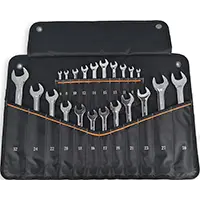
Tool Roll: Easy to transport and portability. Most wrench sets come with a roll-up pouch that keeps tools in safe, and clean.
-
Toolbox Drawer: Use a labeled toolbox organizer insert to separate wrenches by size.

-
Magnetic Tool Holder: Great for wall-mounted storage in garages or workshops. You will need to make sure your wrenches with metal handles, and not covered with insulated material.

-
Pegboard Hooks: Hang wrenches on labeled hooks for easy identification.
