Wrenches For Every DIY Home Repair Project?
Check out the Must Own Tools blog, “5 Essential Wrench Types For Your Toolbox” for Do It Yourself wrench suggestions for your home repair or construction project. Learn about which wrenches will come in handy and make your DIY job easier and more satisfying. Must Own Tools provides you with tips, product recommendations and information you need to get the job done right and safely the first time. Learn more here about hand tools and wrenches you will need.

Essential Wrench Information
Welcome to our page on selecting the perfect wrench for your DIY construction projects. Whether you’re a seasoned homeowner looking to fix it fast or a DIY enthusiast eager to expand your toolkit, we’ve got all the tips and advice you need.
Homeowners: Master Your DIY Renovations
Embark on your DIY home renovation with confidence, knowing you have the right tools for the job. Wrenches are the unsung heroes of any toolbox, essential for tightening bolts and nuts with precision. Our guide will assist you in identifying the wrench types suited for specific tasks around the house.
Find the Right Tools with Ease
From adjustable wrenches to ratcheting spanners, our detailed home improvement guides dive deep into the world of wrenches. Understand the nuances of each type and how they can benefit your next project.
Wrenches for Every Task – A Handy Guide
Whether you’re assembling furniture, working on a leaky faucet, or tackling more complex construction work, having the right tools and wrenches can make all the difference. Learn about the different sizes and their applications to ensure you always have the right tool at hand.
As an Amazon Associate, Must Own Tools may earn commissions from qualifying purchases.
Explore Our Wrench Selection:
-
Impact Wrenches
-
Socket Wrench Sets
-
Pipe Wrenches
-
Adjustable Wrenches
-
Combination Wrenches
-
Allen Wrench Sets
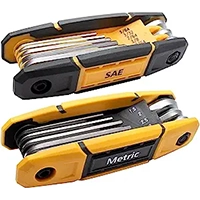
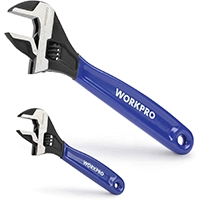
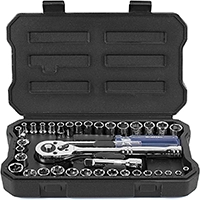
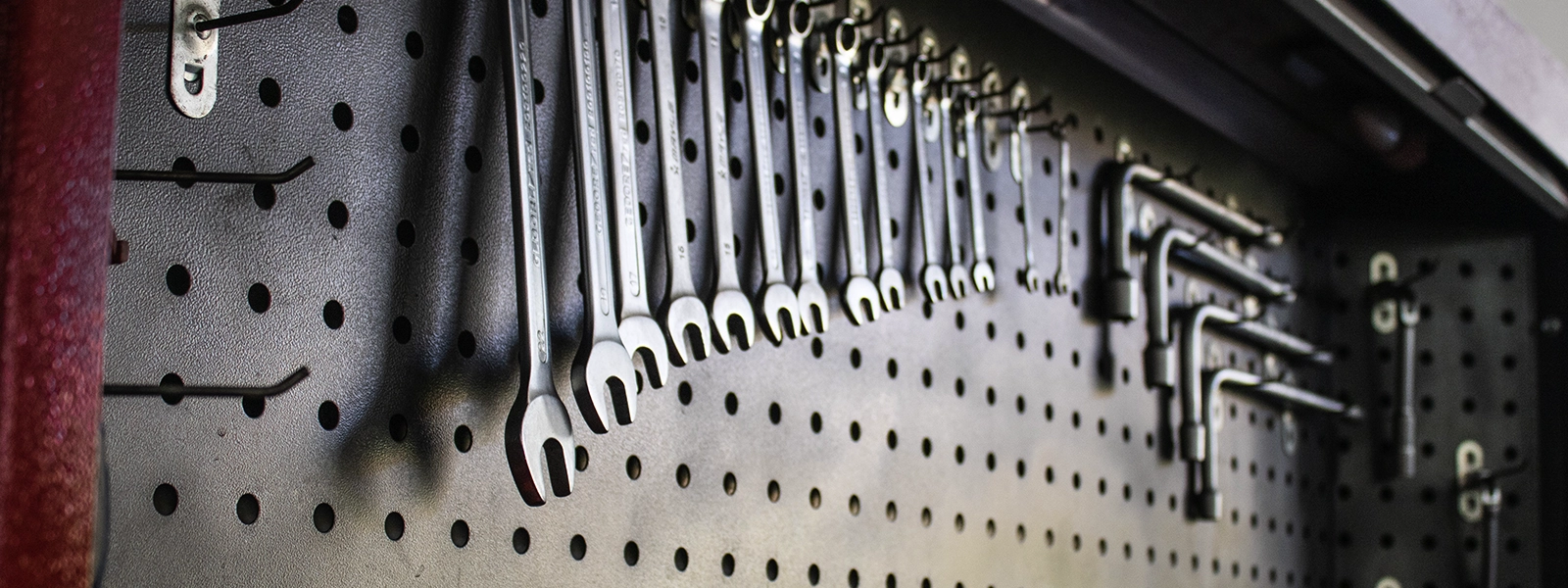
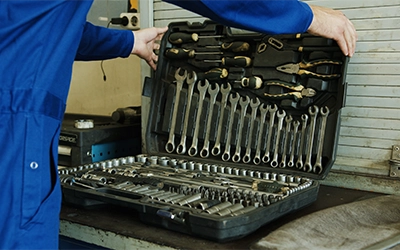
Read Our “Five Essential Wrench Types For Your Toolbox” Article
Connect with DIY Craft Communities
Interested in sharing your latest project or getting inspiration from like-minded individuals? Join our online craft communities where DIY-ers exchange tips, tricks, and showcase their works.
Get Started on Your DIY Journey
Ready to jump into DIY home improvement? Explore our extensive collection of how-to articles, tutorials, and recommended tools list to begin your journey towards becoming a proficient DIY master. Shop our selection of quality wrenches, designed for durability and precision. Your next project awaits!
Remember, the selected keywords should be naturally incorporated into high-quality content on your website’s landing page to not only improve SEO but also provide real value to your readers. Regularly updating content and ensuring it remains informative and relevant can also aid in improving your search rankings.
Essential Tips for Wrench Maintenance
Maintaining your tools and wrenches is just as critical as choosing the right one for your project. To prolong their lifespan and ensure safety and efficiency during your DIY home renovation, regular cleaning and proper storage are key. Rust prevention is paramount; a little oil and a dry storage environment can go a long way in keeping your tools in top condition. Remember, well-maintained tools contribute to the overall success and ease of your projects.
Stay updated with the latest home improvement guides, tool reviews, and maintenance advice by subscribing to our newsletter. Be the first to learn about new tool releases and exclusive DIY tips that will help you optimize your home renovation endeavors.
Keep Your Wrenches in Top Shape: Maintenance Summary
Regular maintenance is crucial to preserving the functionality and longevity of your tools and wrenches. Prevent rust by cleaning your wrenches after each use, wiping away debris with a clean cloth. Lubricating the moving parts with oil can also protect against corrosion. Always store your wrenches in a dry place, ideally on a rack or organized in a toolbox to avoid moisture exposure. If any of your tools show signs of wear or damage, address these issues promptly to ensure they are safe and effective for your next DIY home renovation project. Adhering to these basic maintenance practices will keep your wrenches ready and reliable for any task at hand.
DIY Frequently Asked Questions about Wrenches
What Size Trim Puller Should I Use?
What size Wall Trim Puller you use is dependent on the size of the wall trim you get. The smaller/shorter the trim the narrower the puller you should use. Just be careful you do not damage your wallboard.
Does a pry bar work as a trim puller?
You can use a Pry Bar but be careful you don’t dent the wall. Wall trim pullers are usually wider, helping to limit the ability to put dents in the wall.
Claw hammer or wall trim puller?
We don’t recommend using a claw hammer. The head on the hammer is narrow and the shaft is angled differently than a wall trim puller. Damage is much less likely with wall trim puller.
Will a screwdriver work to pull wall trim?
Don’t use screwdrivers to pull wall trim. 1) Hard to grab a nail 2) The screwdriver will easily dent and put a hole in your wall 3) Trying to pound a screwdriver behind a wall trimmer, may damage the wall. You may also risk splitting the trim.